

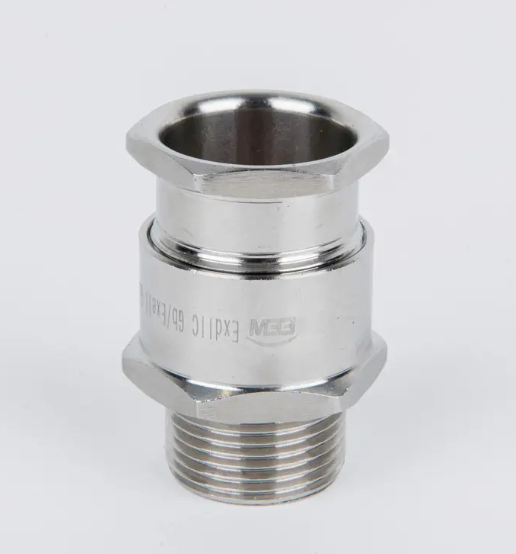
Electrical installations in hazardous areas require careful planning at every connection point. Flammable gases and combustible dust can create risks when electrical equipment is unsuitable for the surrounding environment. Cable entries deserve particular attention because they connect external wiring to electrical enclosures. Selecting compatible components helps project teams maintain the intended protection and gives maintenance staff clear procedures for inspection and replacement.
Why Cable Entries Need Careful Planning
Electrical enclosures are only one part of a hazardous-area installation. Cable glands, conduit connections, and sealing components must also match the equipment design. Incorrect threads, unsuitable cable dimensions, or poorly fitted seals may affect the protection provided by the assembly. Contractors should review these interfaces before installation rather than treating cable entry components as minor accessories.
Hazardous locations are classified according to the substances present and the likelihood of an explosive atmosphere. Gas groups include IIA, IIB, and IIC, while combustible dust groups include IIIA, IIIB, and IIIC. Zone classifications also differ between gas and dust environments. Engineers must check the site’s classification before selecting explosion proof electrical equipment for a project.
Cable construction creates another selection consideration. Diameter, armor, outer sheath material, and mechanical loading can affect gland compatibility. Vibration and cable movement may loosen connections or place stress on entry points over time. Procurement teams should obtain the relevant cable specifications before ordering components. This preparation can reduce installation changes and avoid delays during commissioning.
How Fittings Support System Protection
Cable glands provide a controlled connection between a cable and an enclosure. In practice, the gland‘s certified protection type—whether flameproof “d”, increased safety “e”, or dust ignition protection “t”—must be compatible with the enclosure entry it serves. A gland approved for one protection concept does not automatically suit another, even if the thread and cable dimensions match. The correct configuration depends on the equipment and installation conditions. A gland should not be assumed to provide every protective function unless the manufacturer’s documentation confirms it.
Environmental exposure also influences fitting selection. Chemical plants may contain corrosive substances, while outdoor facilities face rain, dust, and temperature changes. Industrial equipment may experience vibration during normal operation. Buyers should compare material specifications, ingress protection ratings, and operating limits with the actual site conditions. These checks help determine whether a proposed component is suitable for its intended location.
Installation quality remains important after the correct product has been selected. Damaged threads, incorrect cable preparation, loose fittings, and misplaced sealing components can affect the finished connection. Technicians should follow the manufacturer’s instructions and use suitable tools. Inspection should cover cable retention, thread engagement, sealing surfaces, and visible damage before the electrical system is energized.
Check the Requirements of Each Hazardous Zone
Gas and dust classifications cannot be treated as interchangeable. A fitting suitable for one gas group is not automatically suitable for every combustible dust environment. The selected product must match the relevant classification and protection requirements. Engineers should check equipment markings and applicable certificates instead of relying solely on general descriptions or the appearance of a component.
Technical documents help purchasing teams confirm these requirements. Product data sheets, dimensional drawings, installation instructions, and certificates should identify the exact model and its permitted applications. Buyers should also verify thread standards and enclosure entry dimensions. Keeping these documents with project records makes it easier for contractors and inspectors to confirm that the installed parts match the approved design.
Maintenance access should be considered during layout planning. Cable entries that are difficult to reach can complicate inspections and replacement work. Project drawings should record fitting types, cable sizes, and installation locations. Clear identification helps technicians locate compatible spare parts and reduces the risk of replacing a component with one that does not match the original design.
Choosing a Cable Gland for Gas and Dust Applications
The BDM Series Explosion-proof Cable Gland is specified for IIA, IIB, and IIC explosive gas zones 1 and 2. Its stated applications also cover combustible dust groups IIIA, IIIB, and IIIC in zones 21 and 22. These details give buyers a starting point when reviewing potential applications. The final selection must still match the site’s classification and the requirements of the particular installation.
Classification is only one part of the assessment. Buyers should confirm cable diameter, thread dimensions, enclosure compatibility, and environmental conditions before placing an order. Material, temperature, ingress protection, and certification details should also be checked where required. These specifications should come from the relevant product documents rather than assumptions based on the product category.
Coordinate Components Before Installation
Project teams can reduce compatibility problems by preparing a detailed equipment schedule. The schedule should identify the enclosure, cable construction, entry dimensions, fitting model, and required certification. Reviewing these details before purchasing helps prevent incorrect orders and unnecessary substitutions. Any change to the cable or enclosure design should prompt another compatibility check.
Suppliers can provide technical information to support product evaluation. Sunleem EEW offers explosion-protection products for industrial applications, including cable-entry solutions. Buyers should review the documentation for the specific model and confirm that its approved application matches the project requirements. Product descriptions alone should not replace certificate checks or engineering review.
Records remain useful after commissioning. Maintenance teams should retain product identification, certificates, inspection findings, and replacement details. Routine inspections can identify loose connections, damaged seals, corrosion, or other visible problems. Replacement parts should be checked against the original specifications before installation. This approach supports consistent maintenance across facilities and helps teams trace decisions when equipment is serviced.
Include Cable Entries in the Final Safety Review
Reliable hazardous-area installations depend on the coordination of equipment, cables, fittings, and installation practices. Correct classification establishes the starting point, while compatible dimensions, suitable sealing arrangements, and proper assembly support the intended protection. Maintenance records then help preserve traceability throughout the equipment’s service life.
When evaluating explosion proof fittings, industrial buyers should assess their function within the complete electrical system. Sunleem EEW can be considered when its documented products meet the technical requirements of the project. Decisions should be based on verified specifications, applicable certificates, installation conditions, and the maintenance needs of the facility.


