

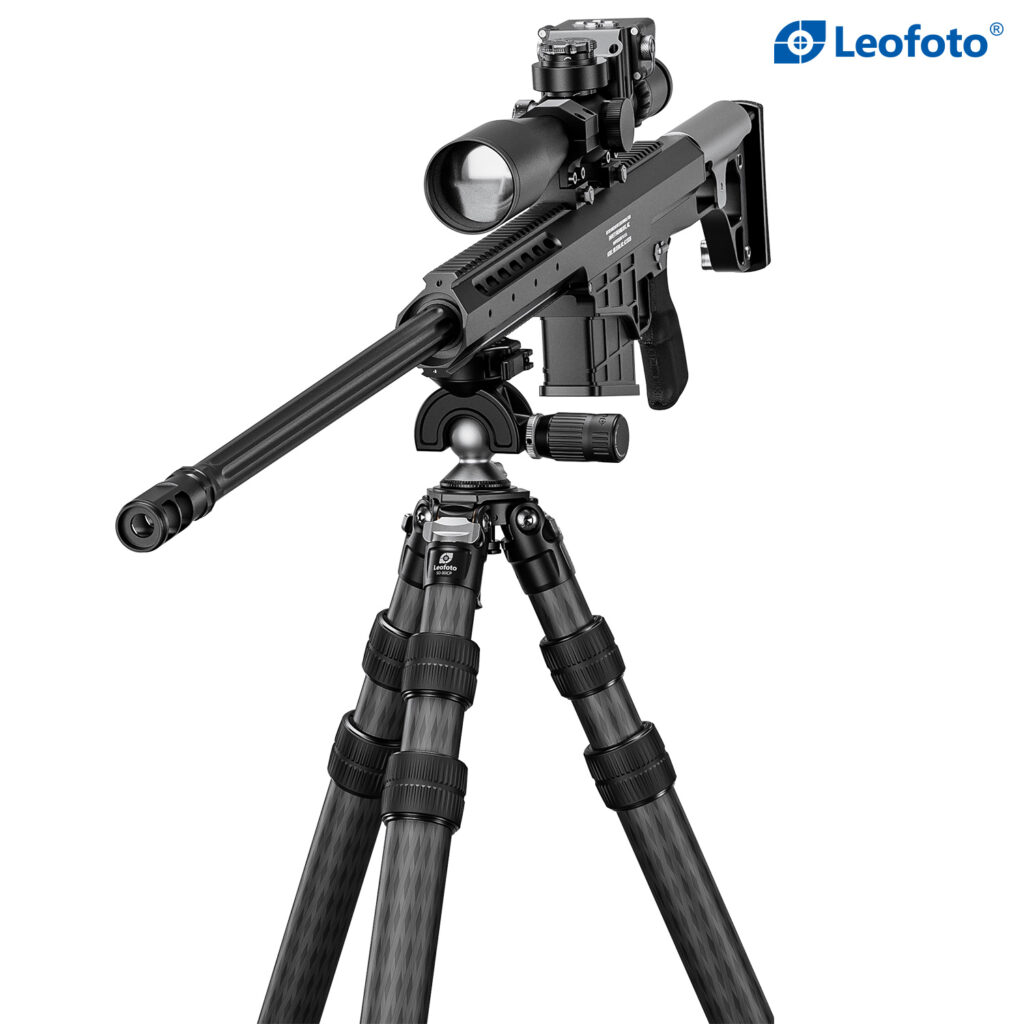
Optical observation and precision field photography rely on structural equilibrium between ground contact points and mounted gear. Conventional tripods feature leg sections narrowing toward the base, exposing mechanical limitations in outdoor tasks. Understanding why inverted configurations gain traction requires analyzing mass distribution, joint placement, and chassis stiffness.
Selecting an inverted tripod alters how mechanical loads travel through telescoping legs into the ground. Rather than placing thin tubing at the bottom, an inverted framework reorganizes sections to enhance balance. This structural shift changes how outdoor platforms handle dynamic vibration, payload pressure, and environmental grit.
Reconfigured Leg Geometry and Mechanical Architecture
Standard tripod engineering positions large leg segments directly beneath the central chassis, with narrower tubes extending downward. Such layouts force thin sections to bear ground impacts. Inverted engineering flips this arrangement by placing narrower extensions higher along the column to increase overall stability.
Repositioning leg mechanics directly addresses tube handling and transport friction. Conventional multi-stage legs frequently cross when collapsed, complicating deployment during outdoor shoots. Inverted systems are constructed so leg tubes no longer cross, allowing photographers to deploy supports without snagging.
Operational stability benefits when heavier structural tubes sit lower relative to the apex. Field deployments utilizing a Leofoto inverted tripod demonstrate how inverted geometry supports rapid setup in challenging environments. Adjusting leg heights becomes faster because locking mechanisms sit in accessible positions rather than down in mud.
Lifting locking joints away from ground level shields internal components from environmental wear. Submerging traditional leg locks in standing water, sand, or mud introduces abrasive grit into screw threads. Inverted architecture keeps locking collars elevated, supporting reliable operation across wet marshes, sand dunes, and snowfields.
Fixed Apex Engineering Versus Extending Center Columns
Traditional camera supports often feature a center column passing through the central hub to raise gear. While convenient in studios, an extended center post behaves as a vertical lever, magnifying vibrations. Removing this column creates a solid platform that resists lateral deflection under heavy loads.
Machining the chassis from solid 6061-T6 aluminum produces a dense foundation capable of resisting significant stress. Computer numerical control milling shapes an apex platform with precise dimensional accuracy while curbing weight. Aircraft-grade aluminum exhibits uniform density, maintaining mechanical rigidity through severe weather shifts.
Examining a specialized inverted tripod reveals a fixed apex platform that remains more compact than oversized systematic hubs. Direct coupling between the fixed platform and leg clevises minimizes play across mounting points. Supporting payloads atop a broad metal plate distributes downward forces evenly into the tripod structure.
Platform versatility expands through integrated mounting connections designed for auxiliary field gear. A standard 3/8-inch mounting stud accommodates heavy-duty video heads, leveling bases, and fluid heads. Complementing this stud, a 1/4-inch accessory mounting socket machined into the apex allows operators to attach monitor arms without clutter.
Composite Materials and Vibration Dissipation
Support legs must absorb dynamic shocks while withstanding downward compression from substantial optical gear. Utilizing 10x layers of Toray carbon-fiber provides structural strength required for demanding outdoor imaging. Multi-layered carbon filament construction creates a rigid wall profile that dampens oscillations faster than extruded aluminum tubing.
Rigid composite layering allows platforms like a Leofoto inverted tripod to handle extreme spotting scopes, heavy cameras, and large-format surveillance equipment. Heavy gear generates rotational torque when tilted or panned across wide arcs. Ten-layer cross-directional carbon weave opposes torsional twisting, keeping optical framing steady during critical viewing.
Maintaining a lightweight profile preserves mobility during backcountry expeditions without sacrificing load-bearing capacity. Carbon fiber leg construction keeps transport mass low, helping users carry gear across steep terrain. Pairing lightweight carbon tubes with a streamlined fixed apex creates a balanced support package that packs efficiently.
Rapid Field Deployment and Terrain Adaptability
Uneven terrain requires independent leg articulation to establish a level base over boulders, hillsides, and riverbanks. Independent leg spread mechanisms allow each leg to swing outward without reference to other supports. This mechanical independence gives outdoor photographers flexibility to adapt their platform to jagged rocks or steep slopes.
Angle selection systems with three locking leg positions let photographers adjust working height rapidly while maintaining stability. Selecting wider leg angles drops the platform close to ground level for low-angle perspectives. Positive mechanical stops seat firmly against the chassis, preventing legs from splaying outward under substantial downward loads.
Ground contact surfaces dictate how an inverted tripod anchors itself into variable outdoor substrates. High-density rubber feet absorb subtle surface vibrations on hard granite, rock, or paved ground. When operating on loose dirt, gravel, turf, or frozen terrain, swapping rubber pads for included steel spiked feet provides mechanical bite into the ground.
Transporting support gear across rugged terrain requires protective packing solutions that accommodate assembled equipment. An included padded carrying case incorporates extra interior volume designed to house a mounted tripod head. This spatial accommodation allows users to transport their support system fully configured, speeding field deployment.
Structural Distinction in Outdoor Environments
Comparing inverted designs against conventional options highlights a divergence in engineering philosophy and field practicality. Traditional tripods offer familiar layouts suited for controlled indoor settings, but lower joints remain vulnerable to mud and water. Inversion reallocates structural mass upward, protects critical leg mechanisms, and stops tubes from crossing during movement.
Selecting an advanced Leofoto inverted tripod provides outdoor photographers and hunters with a rigid, purpose-built stabilization platform. Combining 10x Toray carbon-fiber, CNC-machined 6061-T6 aluminum, and a fixed apex delivers stability across unpredictable field conditions. Understanding these mechanical distinctions allows operators to choose support systems engineered to handle demanding outdoor applications.


