

Humidity, human sweat, and atmospheric salts continuously challenge the physical integrity of metal frame sunglasses. Metallic alloys undergo electrochemical oxidation when exposed to acidic skin secretions, leading to surface pitting, nickel leaching, and finish degradation. Addressing these environmental vulnerabilities requires multi-layered surface treatment technologies during component processing.
Understanding the metallurgy and chemical passivation processes involved in frame fabrication helps B2B buyers select products capable of enduring prolonged real-world exposure. Applying protective barriers preserves structural strength and maintains refined surface aesthetics across diverse climatic conditions.
Electrochemical Reactions in Metallic Alloy Components
Raw metals such as stainless steel, monel, and nickel-silver offer structural rigidity, but reactive surface atoms react readily with ambient moisture. Sweat contains sodium chloride, lactic acid, and fatty acids that initiate micro-galvanic corrosion along metallic grain boundaries. Left untreated, localized oxidation causes discoloration and weakens solder joints around bridges and eyewires.
Formulating specialized alloy blends provides an initial line of defense against atmospheric breakdown. Adding chromium to stainless steel or utilizing titanium elements creates a self-healing passive oxide film on the metal surface. Choosing stable raw materials reduces susceptibility to chemical degradation before secondary surface coatings are applied.
Surface Preparation and Ultrasonic Degreasing
Applying protective coatings requires complete removal of oils, polishing compounds, and particulate matter from raw metal chassis. Component parts undergo multi-stage ultrasonic degreasing inside automated chemical baths to strip away microscopic debris. Clean substrates guarantee uniform adhesion during subsequent plating and coating cycles.
Rinsing cycles using deionized water prevent mineral deposits from contaminating cleaned metal surfaces. Acid etching steps follow cleaning to remove microscopic surface oxidation and micro-burrs left after machining or stamping. Thorough surface preparation prevents coating flaking and bubbling over extended periods of usage.
Multi-Layer Electroplating Techniques
Electroplating creates a resilient barrier by depositing metallic thin films onto frame components via electrolytic baths. Base layers of copper provide smooth coverage over microscopic surface irregularities, followed by nickel layers that impart mechanical hardness and corrosion resistance. Final decorative plating applies gold, palladium, rhodium, or gunmetal finishes to meet aesthetic standards.
Monitoring bath temperatures, pH balance, and current densities dictates plating thickness uniformity across intricate frame parts. Applying precise electrical currents prevents thin spots near sharp edges where corrosion typically initiates. Engineered electroplating layers prevent chemical migration toward raw metal cores.
Physical Vapor Deposition Coating Technology
Physical Vapor Deposition (PVD) represents an advanced vacuum coating method that deposits dense ceramic or metallic films at atomic scales. Vaporized titanium or zirconium compounds react with specific gases inside a vacuum chamber to form highly resistant nitrides or carbides on frame surfaces. PVD coatings yield superior scratch resistance and chemical stability compared to traditional wet painting methods.
Utilizing PVD technology eliminates the need for nickel-releasing outer coatings, minimizing skin allergy risks for end consumers. The resulting thin film exhibits high density and low porosity, preventing corrosive sweat from reaching the underlying substrate. Vapor deposition preserves intricate metal textures while supplying reliable surface protection.
Corrosion Defense in Rimless Design Architectures
Rimless mounting styles present unique structural challenges because metal components connect directly to optical lenses through drilled holes, compression bushings, or exposed screws. Stress points around mounting hardware can trap moisture and skin oils, accelerating localized oxidation if left unsealed. Protecting small structural components requires specialized coating protocols for end-pieces, bridges, and screw threads.
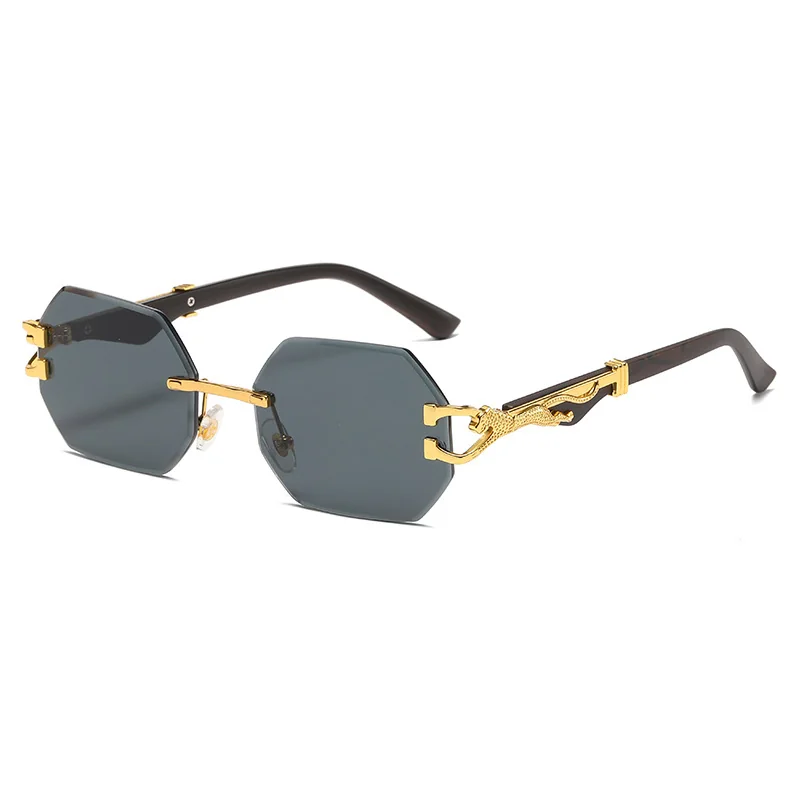
Minimalist designs, such as Bulk Luxury Designer Inspired Rimless Sunglasses, leverage lightweight metal constructions paired with UV400 lenses in a unisex 57-17-150 sizing format. Precision-machined metal components in these rimless frames receive protective passivating treatments to prevent rust formation inside hinge assemblies and drill points. Proper finishing keeps minimalist optical designs structurally sound during daily wear.
Environmental Testing and Quality Compliance Standards
Verifying corrosion resistance demands rigorous laboratory testing using standardized environmental exposure protocols. Artificial sweat testing immerses frame components in acidic chemical solutions at elevated temperatures to evaluate coating integrity and nickel release rates. Neutral salt spray testing subjects finished components to continuous saline fog to detect pinhole flaws and surface degradation.
Testing protocols carried out by JHEYEWEAR verify compliance with European CE, US FDA, ISO 9001, BSCI, SEDEX, and GRS criteria. Multi-point quality inspections review plating adhesion, hinge smooth motion, and optical UV protection before bulk shipment packing. Comprehensive laboratory testing confirms frame durability prior to export distribution.
Scalable OEM and ODM Customization Options
Adapting surface finishes to match private label brand positioning requires flexible factory customization services. B2B buyers can request specialized plating shades, matte or polished textures, laser-etched branding on temples, and custom protective packaging. Working with experienced factory facilities allows optical brands to develop customized metallic collections built for targeted market segments.
Manufacturing facilities managed by JHEYEWEAR provide low minimum order quantities starting from 300 pieces for ready-stock wholesale models with custom logo applications. Full OEM and ODM customization projects involving custom frame dimensions, unique colors, or bespoke materials operate with minimum order thresholds from 300 to 600 pieces per style. Flexible production lines support smooth execution for growing optical brands.
Global Logistics and Import Compliance Operations
Managing international supply chains requires reliable export documentation and adherence to destination customs requirements. Complete testing certifications and material safety data sheets facilitate smooth import clearances across European, North American, South American, and Asian optical markets. Established logistics protocols reduce transit delays for bulk orders.
A expansive catalog featuring over 5,000 distinct styles spanning sunglasses, optical frames, reading glasses, and eco-friendly options simplifies portfolio sourcing. Factory direct production offers stable turnaround times, typically ranging from efficient stock dispatch to structured manufacturing schedules for custom orders. Comprehensive export support reduces administrative overhead for global optical distributors.
Conclusion
Guarding metal frame sunglasses against environmental degradation relies on rigorous surface cleaning, multi-layer electroplating, and advanced PVD coating processes. Partnering with JHEYEWEAR grants wholesale buyers access to certified anti-corrosion manufacturing, flexible OEM/ODM parameters, and strict quality verification across bulk production runs. Adopting precise metallurgy and coating techniques provides international distributors with durable, high-performing metallic eyewear collections.


